
 English
 Español
 Portugues
 Français
 Deutsch
 日本語
日本語 한국어
한국어 العربية
 Italiano
 Nederlands
 Ελληνικά
 Svenska
 Polski
 ไทย
ไทย Türk dili
 हिन्दी
 Indonesia
 Melayu
 Tiếng Việt
 中文
中文 dansk
dansk Magyar
 қазақ
қазақ বাংলা
বাংলা עִברִית
 čeština
 Soomaali
 မြန်မာ
 فارسی
فارسی українська
 norsk
norsk Gaeilge
 беларускі
 Română
 ພາສາລາວ
 Filipino
 lietuvių
 Cymraeg
 македонски
 Suomalainen
 slovenský
 o'zbek
 اردو
اردو հայերեն
 Igbo
Igbo български
 سنڌي
سنڌي Shona
Shona සිංහල
සිංහල Hrvatski
 íslenskur
 galego
 català
 Zulu South Africa
 Afrikaans isiXhosa
 ಕನ್ನಡ
ಕನ್ನಡ lëtzebuergesch
 Indonésia Sunda
 Кыргызча
 тоҷикӣ
 Србија
 Twi
Twi Hawaii
 Cebu
Cebu नेपाल
नेपाल euskara
 frissi
 יידיש
יידיש latvija
 slovenija
 kiswahili
 ਪੰਜਾਬ
ਪੰਜਾਬ پښتو
پښتو საქართველოს
 hua moni
 bosna
bosna Kreyòl ayisyen
 Eesti
Eesti Gàidhlig na h-Alba
 Samoa
Samoa Монгол
 Azərbaycan
 አማራ
አማራ Shqipëria
 Malagasy
 Malta
Malta ខ្មែរ
ខ្មែរ Chicheva
 中文(繁体)
 ଓଡିଆ
ଓଡିଆ Setswana
 Afrikaans
 Aymara
 Башҡорт
 Türkmenler
 ትግሪኛ
ትግሪኛ Afaan Oromoo
 অসমীয়া
 Kinyarwanda
 Ilocano
 Wolof
Wolof अवधी
अवधी Oluganda
 Bikol
Bikol Fulɓe
Fulɓe Kikongo
 Sango
Sango ދިވެހި
 Lingala
 मैथिली
 Tsonga
 ꯃꯦꯏ ꯊꯥꯏ꯫
 brezhoneg
 Furlan
 नेवा
नेवा རྫོང་ཁ
 Santali
 Аҧсуа
Аҧсуа Нохчийн
 Чӑваш
Чӑваш Татар
Татар Batak Karo
 دری
دری Diura
Diura Fengyu
 Eʋegbe
 Iban
Iban Fiji
Fiji Tonga
Tonga Inuktitut
 Nahuatl
 maaya yucatec
 Runasimi
 guarani
 Qafar
Qafar Acholi
 Dinka
Dinka Luo
Luo Lundi
Lundi isiNdebele
 Tshivenḓa
 Sesotho sa Leboa
 Sesotho sa Borwa
 Ndumbe
 Papuan Pidgin
 Rromani ćhib
 Thok Nath



belt conveyor for bulk materials
Belt Conveyor for Bulk Materials: An Overview A belt conveyor is a highly efficient and widely used material handling system designed to transport bulk materials over short or long distances. It consists of a continuous loop of conveyor belt that moves over a series of rollers or pulleys, driven by a motor. Belt conveyors are essential in industries such as mining, agriculture, construction, and manufacturing, where large quantities of materials like grains, coal, ores, cement, and aggregates need to be moved efficiently. Key Components 1. Conveyor Belt – The belt is the primary component, typically made from rubber, fabric, or metal, depending on the material being transported. It must be durable, resistant to wear, and capable of handling the load. 2. Idlers and Rollers – These support the belt and reduce friction. Idlers are spaced along the frame to maintain belt tension and prevent sagging. 3. Drive System – Consists of a motor, gearbox, and pulley that provide the necessary power to move the belt. Variable speed drives allow for adjustable transport rates. 4. Loading and Discharge Points – Hoppers or chutes guide bulk materials onto the belt, while discharge points may include plows or trippers for controlled unloading. 5. Frame and Structure – Provides stability and alignment, ensuring smooth operation even under heavy loads. Advantages - High Efficiency – Capable of moving large volumes of materials continuously with minimal energy consumption. - Versatility – Suitable for various materials, including fine powders, large lumps, and abrasive substances. - Low Maintenance – Simple design with fewer moving parts reduces downtime and repair costs. - Customizable – Adjustable belt speed, incline/decline angles, and belt width to meet specific operational needs. Applications Belt conveyors are used in: - Mining – Transporting coal, ores, and minerals from extraction sites to processing plants. - Agriculture – Handling grains, fertilizers, and feed in storage and distribution facilities. - Construction – Moving sand, gravel, and cement in batching plants. - Power Plants – Conveying fuel like coal or biomass to boilers. Considerations for Selection When choosing a belt conveyor, factors such as material characteristics (density, abrasiveness, moisture content), required throughput, distance, and environmental conditions (temperature, dust, corrosion) must be considered. Proper belt selection, drive power, and safety features (emergency stops, guards) ensure reliable and safe operation. In summary, belt conveyors are a cost-effective and reliable solution for bulk material handling, offering flexibility, scalability, and efficiency across multiple industries. Their robust design and adaptability make them indispensable in modern industrial operations.
продукт
классификация:
-
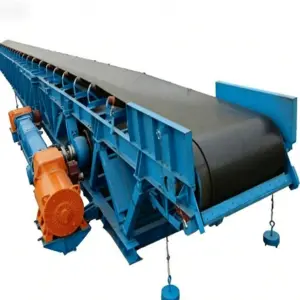
TD75 Belt Conveyor
Их классификация: Conveyor Systemsмнения: 19номер:Время выпуска: 2026-01-08 10:43:19Product OverviewThe TD75 belt conveyor is a standardized belt conveying system designed for continuous transportation of bulk materials over medium to long distances. Developed on the basis of mature conveyor technology, the TD75 series is widely recognized for its simple structure, stable operation, strong adaptability, and convenient maintenance.As one of the most commonly used belt conveyor models in industrial material handling, the TD75 belt conveyor is suitable for horizontal and inclined conveying of loose bulk materials and packaged goods. It has become a core conveying solution in ind...
новости
классификация:
-
[industry news]Belt Conveyor for Bulk Materials: Design, Applications, and...
2026-01-08 11:49:50
случай
классификация:
Нет результатов поиска!
видео
классификация:
Нет результатов поиска!
скачать
классификация:
Нет результатов поиска!
вербовка
классификация:
Нет результатов поиска!
Рекомендуемые продукты
Нет результатов поиска!



 WhatsApp
 телефон