
 English
 Español
 Portugues
 Français
 Deutsch
 日本語
日本語 한국어
한국어 العربية
 Italiano
 Nederlands
 Ελληνικά
 Svenska
 Polski
 ไทย
ไทย Türk dili
 हिन्दी
 Indonesia
 Melayu
 Tiếng Việt
 中文
中文 dansk
dansk Magyar
 қазақ
қазақ বাংলা
বাংলা עִברִית
 čeština
 Soomaali
 မြန်မာ
 فارسی
فارسی українська
 norsk
norsk Gaeilge
 беларускі
 Română
 ພາສາລາວ
 Filipino
 lietuvių
 Cymraeg
 македонски
 Suomalainen
 slovenský
 o'zbek
 اردو
اردو հայերեն
 Igbo
Igbo български
 سنڌي
سنڌي Shona
Shona සිංහල
සිංහල Hrvatski
 íslenskur
 galego
 català
 Zulu South Africa
 Afrikaans isiXhosa
 ಕನ್ನಡ
ಕನ್ನಡ lëtzebuergesch
 Indonésia Sunda
 Кыргызча
 тоҷикӣ
 Србија
 Twi
Twi Hawaii
 Cebu
Cebu नेपाल
नेपाल euskara
 frissi
 יידיש
יידיש latvija
 slovenija
 kiswahili
 ਪੰਜਾਬ
ਪੰਜਾਬ پښتو
پښتو საქართველოს
 hua moni
 bosna
bosna Kreyòl ayisyen
 Eesti
Eesti Gàidhlig na h-Alba
 Samoa
Samoa Монгол
 Azərbaycan
 አማራ
አማራ Shqipëria
 Malagasy
 Malta
Malta ខ្មែរ
ខ្មែរ Chicheva
 中文(繁体)
 ଓଡିଆ
ଓଡିଆ Setswana
 Afrikaans
 Aymara
 Башҡорт
 Türkmenler
 ትግሪኛ
ትግሪኛ Afaan Oromoo
 অসমীয়া
 Kinyarwanda
 Ilocano
 Wolof
Wolof अवधी
अवधी Oluganda
 Bikol
Bikol Fulɓe
Fulɓe Kikongo
 Sango
Sango ދިވެހި
 Lingala
 मैथिली
 Tsonga
 ꯃꯦꯏ ꯊꯥꯏ꯫
 brezhoneg
 Furlan
 नेवा
नेवा རྫོང་ཁ
 Santali
 Аҧсуа
Аҧсуа Нохчийн
 Чӑваш
Чӑваш Татар
Татар Batak Karo
 دری
دری Diura
Diura Fengyu
 Eʋegbe
 Iban
Iban Fiji
Fiji Tonga
Tonga Inuktitut
 Nahuatl
 maaya yucatec
 Runasimi
 guarani
 Qafar
Qafar Acholi
 Dinka
Dinka Luo
Luo Lundi
Lundi isiNdebele
 Tshivenḓa
 Sesotho sa Leboa
 Sesotho sa Borwa
 Ndumbe
 Papuan Pidgin
 Rromani ćhib
 Thok Nath



oil resistant conveyor belt
Oil-Resistant Conveyor Belt: Features and Applications An oil-resistant conveyor belt is a specialized type of conveyor belt designed to withstand exposure to oils, greases, and other petroleum-based substances without degrading in performance or structural integrity. These belts are widely used in industries where oil contamination is common, such as automotive manufacturing, food processing, mining, and chemical handling. Key Features 1. Material Composition Oil-resistant conveyor belts are typically made from synthetic rubber compounds, such as nitrile rubber (NBR) or chloroprene rubber (CR), which exhibit excellent resistance to oils and hydrocarbons. The belt’s top and bottom covers are reinforced with layers of fabric or steel cords to enhance durability and tensile strength. 2. Resistance Properties These belts are engineered to resist swelling, cracking, or hardening when exposed to oils, ensuring long-term functionality. The rubber compound is formulated to maintain flexibility and mechanical properties even after prolonged contact with lubricants or hydraulic fluids. 3. Reinforcement Layers The belt’s carcass is constructed with high-strength fabric or steel cords to provide stability and load-bearing capacity. This reinforcement prevents elongation and deformation under heavy loads, making it suitable for demanding industrial applications. 4. Surface Texture Some oil-resistant belts feature textured or patterned surfaces to improve grip and prevent material slippage, especially in wet or oily conditions. Applications 1. Automotive Industry Used for transporting oil-coated metal parts, engine components, or rubber products during manufacturing and assembly processes. 2. Food Processing Ideal for handling oily or greasy food products, such as fried snacks, meat, or dairy items, where hygiene and oil resistance are critical. 3. Mining and Construction Suitable for conveying materials in environments where hydraulic oils or lubricants are present, such as quarries or heavy machinery operations. 4. Chemical and Waste Handling Used in recycling plants or chemical facilities to transport oil-contaminated waste or hazardous materials safely. Advantages - Extended Service Life: Reduces replacement frequency by resisting oil-induced wear. - Safety: Minimizes belt slippage and material spillage in oily conditions. - Versatility: Compatible with various industrial environments requiring oil and grease resistance. Maintenance Tips - Regularly inspect the belt for signs of oil penetration or surface damage. - Clean the belt with mild detergents to remove oil buildup without damaging the rubber. - Store belts away from direct sunlight and extreme temperatures to preserve material properties. In summary, oil-resistant conveyor belts are essential for industries dealing with oily substances, offering durability, safety, and efficiency in challenging operational conditions. Their specialized design ensures reliable performance while minimizing maintenance costs.
продукт
классификация:
-
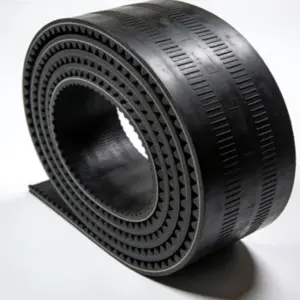
Oil-Resistant Conveyor Belts
Их классификация: Conveyor Belt Systemsмнения: 14номер:Время выпуска: 2025-12-27 18:10:25Oil Resistant Conveyor BeltDurable Conveyor Belt Solution for Oily and Greasy Material HandlingProduct OverviewOil resistant conveyor belts are specially designed rubber conveyor belts engineered to transport materials containing oils, fats, greases, and other petroleum-based substances. In many industrial environments, conveyed materials release oil during handling, processing, or transportation. These oils can penetrate standard rubber belts, causing swelling, softening, cracking, and rapid loss of tensile strength. Oil resistant conveyor belts are developed to overcome these challenges by u...
новости
классификация:
Нет результатов поиска!
случай
классификация:
Нет результатов поиска!
видео
классификация:
Нет результатов поиска!
скачать
классификация:
Нет результатов поиска!
вербовка
классификация:
Нет результатов поиска!
Рекомендуемые продукты
Нет результатов поиска!



 WhatsApp
 телефон